Move the open tub of yogurt and the half-used bunch of herbs to the front of the fridge. Put the unopened replacements behind them. Food you can see is less likely to be forgotten until it spoils. Reducing kitchen waste often starts there, not with a complicated meal plan.
A few habits make the biggest difference: check what you have before shopping, put groceries where you can find them, and choose meals around ingredients that need using. You don't have to save every scrap. The point is to use more of the food that's still safe to eat.
Check what you have before making a shopping list
Look where food tends to disappear: the back of the fridge, the freezer, and cupboards with open packages. Note anything that needs attention soon, such as ripe tomatoes, cooked rice, or an opened carton of cream. Plan one or two meals around those ingredients before adding more to your list.
You don't need to count every teaspoon of spice. Focus on perishables and foods you often buy twice by accident. If you have half a bag of carrots and a nearly full pack of tortillas, jot them down somewhere visible. When a recipe calls for six carrots, check how many you actually need to buy.
Plan for the meals you will actually eat
Assigning a freshly cooked dinner to every night can backfire when plans change. Pick a few meals you know you'll make, then leave room for leftovers or something simple assembled from what remains. If you're out for two evenings, don't buy produce for seven dinners.
Look for ingredients you can use in more than one way. Cabbage can become slaw one day and stir-fry later; plain yogurt works at breakfast and in a sauce. If a recipe calls for a tablespoon of an unusual ingredient, think about the rest of the container before buying it. A smaller package may cost more per unit but less overall if the larger one would spoil.
Shop in amounts that match your household
Bulk deals help only if you can use or preserve what you buy. Check the total quantity, not just the unit price. A large bag of salad leaves isn't a bargain if half ends up in the bin. With short-lived foods, smaller, more frequent purchases may waste less.
Choose produce according to when you'll eat it: ripe fruit for tomorrow, firmer fruit for later. Loose produce lets you buy just the amount you need. If fresh vegetables or fruit often spoil in your kitchen, frozen ones are a practical option. Take out a portion and return the rest to the freezer promptly.
Before putting a large pack in your basket, consider where it will go at home. A full freezer or crowded fridge matters as much as the price. Keep chilled and frozen groceries cold on the way home, particularly if you have other errands.
Give food a clear place when you get home
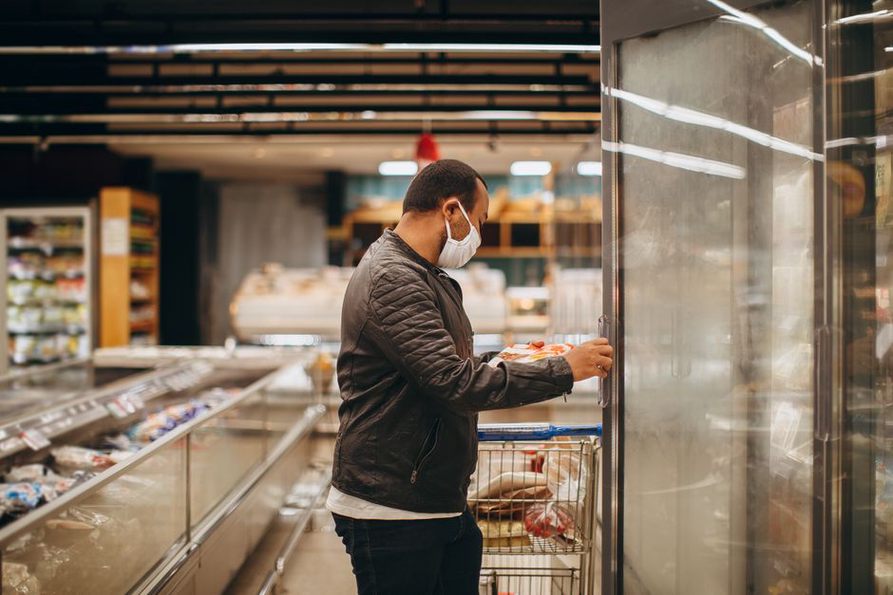
Put groceries away soon after shopping. Keep raw meat, poultry, and seafood sealed and below ready-to-eat foods so leaks can't drip onto them. Follow package refrigeration instructions. Clean, suitable containers protect leftovers and opened products; clear sides or a simple label help you tell what's inside.
Set aside an easy-to-see fridge area for foods to use soon: an opened jar of sauce, a ripe avocado, yesterday's cooked vegetables. Treat it as a reminder, not a reason to keep food past a safe storage period. Marking the date cooked or opened on a piece of tape beats guessing later.
Do the same in cupboards: older packages in front, new ones behind. Keep dry goods sealed against moisture and pests. If you can't see what's on a crowded shelf, group similar foods before buying another package you may already have.
Adjust storage to the food
Storage depends on the food. Potatoes generally do best somewhere cool, dark, and ventilated, away from the warm spot beside the cooker and separate from onions. Follow local egg-storage guidance; recommendations vary by country and how eggs are processed. After opening a product, check the label again—its storage instructions may have changed.
Leafy herbs wilt quickly when left loose. Remove damaged leaves and store the rest in a way that suits the herb, often protected from drying out in the fridge. Wash produce just before using it if moisture would hasten spoilage in storage; if you wash it ahead, dry it well. Check delicate produce regularly rather than assuming it will all last the same number of days.
A refrigerator thermometer can show whether the fridge is cold enough. A common food-safety target is at or below 4°C (40°F); freezers should generally be at or below −18°C (0°F). Don't pack fridge shelves so tightly that cold air can't circulate. If food keeps spoiling sooner than expected, check the temperature rather than simply changing the date on a label.
Use dates as guidance, not a substitute for judgment
Date labels vary by country and don't all mean the same thing. A use-by date is generally a safety deadline for foods carrying that label: follow the package instructions, and don't let a smell test override it. A best-before date usually refers to quality. Properly stored food may still be usable afterward, though its flavor or texture may suffer. Check the label and the rules where you live.
Once a package is open, its printed date may no longer tell you how long the contents will keep. Follow any “use within” instruction, and mark the opening date if you're likely to forget it. Discard food showing signs of spoilage; don't taste it to test whether it's safe. Harmful bacteria aren't always visible or detectable by smell.
That distinction matters in both directions. You needn't throw away sound pantry food solely because its best-before date has passed, but a perishable food isn't necessarily safe just because it looks normal. Follow clear safety instructions.
Cook flexible meals around ingredients that need using
Start with the most perishable ingredient that's still safe to use, then choose a meal that has room for it. A handful of vegetables can go into an omelet, soup, or pasta sauce. Cooked beans can fill wraps or top baked potatoes. That's often easier than finding a recipe that requires several new purchases to use up one old ingredient.
Portions count, too. Measure dry rice, pasta, or grains now and then to learn how much your household eats. Cooking an extra serving on purpose is different from making leftovers nobody wants. When appetites vary, serve smaller portions first and offer seconds. Food left in a pan or clean serving dish is easier to save than food left on individual plates.
Some straightforward ways to use what's on hand:
- Soft but sound fruit: Add it to porridge, bake it, or freeze pieces for a smoothie.
- Vegetables losing crispness: Cook them in soup, sauce, or a stir-fry if they're still safe to eat.
- Stale bread without mold: Toast it, make croutons, or freeze slices before they deteriorate further.
- Small amounts of cooked vegetables: Fold them into a frittata or add them to a grain bowl.
Don't cut mold off soft bread or cook spoiled food in the hope of making it safe. Heat won't solve every food-safety problem. A recipe can be flexible about ingredients, but not about their safety.
Handle leftovers promptly and make them easy to use
Refrigerate perishable leftovers promptly—generally within two hours of cooking or serving, and sooner in very hot conditions. Divide a large pot into smaller, shallow containers so the food cools faster; don't leave the whole pot on the counter for hours waiting for it to reach room temperature. Avoid stacking hot containers tightly together in the fridge, and follow local food-safety guidance for cooling and storage.
Label containers with their contents and the date. Plan to eat refrigerated cooked leftovers within the period your local food authority recommends; commonly used guidance is three to four days. Freeze them sooner if plans change. Reheat leftovers thoroughly, taking out only the portion you'll eat so the rest isn't warmed repeatedly.
Some foods call for extra care. Cool cooked rice promptly and refrigerate it rather than leaving it at room temperature; follow local advice on when to eat or freeze it. If you can't remember when a perishable leftover was made, reheating won't make that uncertainty go away.
Freeze portions you can realistically use
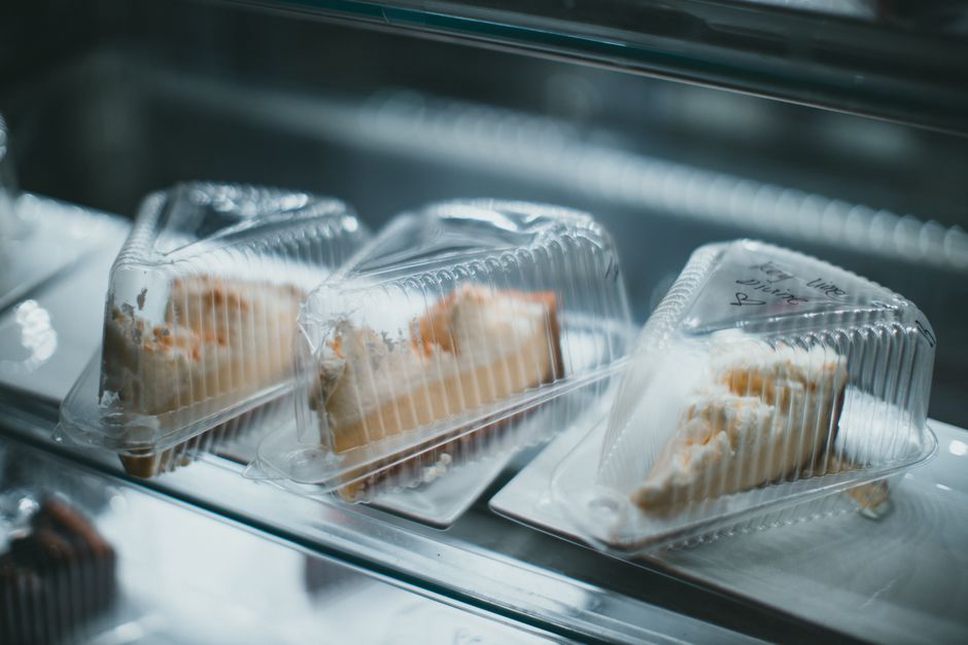
Pack food in amounts you'll actually take out: soup in meal-sized portions, bread in slices, chopped herbs in recipe-sized amounts. Use freezer-safe bags or containers, remove excess air where practical, and leave room for liquids to expand. Write down the contents and freezing date. Sauces can be hard to identify once frozen.
At a consistently cold temperature, freezing keeps properly handled food safe for a long time, though quality gradually declines. Check guidance for the particular food when you need a recommended storage time. Thaw perishable foods in the fridge, in cold water with appropriate precautions, or in the microwave immediately before cooking—not on the counter. Freezing already spoiled food won't make it safe.
Make a use-first meal before your next grocery trip
Before writing your next shopping list, look through the fridge and choose a base you already have: eggs, pasta, rice, or a can of beans. Add safe, usable vegetables and a sauce or seasoning. If one ingredient isn't enough for a meal, combine it with others rather than buying another full package to match it. You get a use-first meal without committing to a rigid weekly menu.
Keep it simple enough to make. Soup can take a few different vegetables; a baked potato can carry a small amount of leftover chili or cooked beans. Check the age of the oldest cooked component, though. Mixing old leftovers with fresh ingredients doesn't reset their storage time, and foods past their safe storage period shouldn't go into the pot.
Deal with unavoidable scraps separately
Every kitchen produces peels, shells, bones, and damaged food. Clean, sound vegetable trimmings can go into stock, but you don't need to save every scrap. Where local collection or a managed home compost system is available, composting suitable plant scraps can keep them out of household rubbish. Check local rules, especially for cooked food, meat, and dairy.
Keep food-waste collection separate from edible leftovers. A banana peel is unavoidable; a container of forgotten cooked food may point to a portion or storage habit you can change. Notice what you discard most often. If salad leaves regularly spoil, buy a smaller pack or choose a longer-lasting vegetable for meals later in the week.
Before your next shopping trip, write down three foods already waiting in the fridge and give each a job: “Half a pepper into eggs, yogurt with breakfast, cooked beans into wraps.” Keep the note where you'll see it when deciding what to make.