
Pick one surface you need today: the kitchen counter where you chop vegetables, the hall bench where you put on your shoes, or the desk where you open your laptop. Clear it, then put back only what helps you use it. Empty a whole closet and you might still be moving piles at bedtime. Finish one surface and you have a space you can use, even if that’s all you do today.
Set Up a Sorting System Before You Start
Set out a bag or box for each destination, or mark off a few spots on the floor. If several people are helping, label the containers. The idea is to decide where each thing goes once, instead of moving the same pile from room to room.
- Keep here: It’s something you use in this room, and there’s a spot for it within reach.
- Move elsewhere: If it belongs in another room, set it aside for now. Put these things away at the end so you don’t have to stop sorting every time you find one.
- Donate or sell: It’s still usable, and you have a realistic way to pass it on. Set a deadline for selling it so it doesn’t sit by the door indefinitely.
- Recycle or dispose of: Separate ordinary waste from batteries, electronics, paint, and certain cleaners that may need special handling. Check your local collection rules.
For anything you’re unsure about, use one small box and pick a date to go through it again. Keep time-sensitive paperwork, borrowed belongings, and things other people in the household need out of that box. Hold off on buying organizers until you know what’s staying. You may already have enough room.
Entryway: Make Arriving and Leaving Easier
Keep the shoes and coats you wear most within reach, and store out-of-season gear elsewhere. Give library books, returns, and packages waiting to go out a spot that doesn’t block the doorway. If you keep forgetting to take something, put it beside whatever you already grab on your way out.
Give incoming mail and paperwork one place to land. Recycle flyers, removing address labels first if needed, and separate anything that needs your attention from records you’re ready to file. An unpaid bill belongs with the tasks you still need to do, not in a folder you rarely open.
Kitchen: Put Equipment Where You Use It
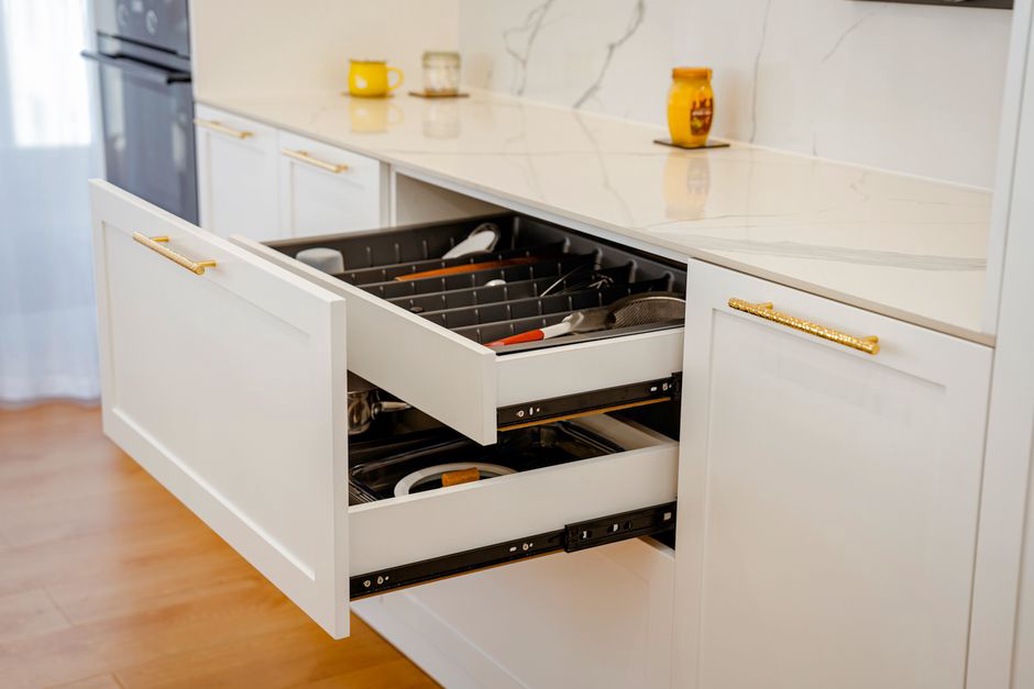
Start with one counter or drawer. Keep utensils near the prep area and oven gloves within reach of the oven but away from heat. An appliance can stay on the counter if you use it often or it’s hard to lift out of a cupboard. If you use it once a year, store it farther back. Infrequent use doesn’t mean it has to go.
Check Duplicates Against an Actual Meal
Five spatulas might be more than you need if you usually cook with one pan, but three baking trays could all be in use on the same afternoon. Think about how many you need at once and how often you wash dishes. Match food containers with their lids, and check whether any leftover pieces fit something else before getting rid of them. Arrange the matched sets so you can grab one without pulling down the whole stack.
In the pantry, group ingredients you often use together and bring open packages to the front. If you transfer food to another container, keep any cooking instructions, allergen information, and date markings you might need. There’s no reason to repackage everything just to make the shelves match.
Living Room: Give Shared Items an Easy Return Path
Clear the main seating area and coffee table before tackling the cabinets. Keep remotes within reach of the sofa and blankets near the seats where people use them. If putting toys away means moving a box, lifting a lid, and fitting every piece in just so, the toys will probably end up on the floor. An open bin within reach might help more than getting rid of toys.
Sort cables and adapters while you can still see which equipment they go with. Identify cables before unplugging them, especially if several look alike. Keep the power adapters that match devices you own, label any with unusual connectors, and set damaged cables aside for proper disposal. Before donating books, games, or keepsakes, check with whoever owns them.
Bedroom: Make the Clothes You Wear Easy to Find
Sort one type of clothing at a time, such as shirts or shoes. You’ll see what you own without emptying the whole wardrobe. Use the easiest spots to reach for clothes that fit, suit your routine, and are ready to wear. Formal clothes, seasonal layers, and pieces you keep for a specific purpose can go on a higher shelf or in a labeled container.
A coat with a broken zipper doesn’t belong back with your everyday clothes or automatically in the donation bag. Set it aside for repairs, then decide if it’s worth fixing and when you can take it in. For clothes you’ve worn once but aren’t ready to wash, try a hook or a small shelf. Otherwise, they’ll probably end up on the chair.
Bathroom: Separate Daily Supplies From Refills
Keep everyday products within reach and unopened refills in one place. The next time you think you’re out of toothpaste, you’ll only have one spot to check. Look at open products for expiration dates or instructions on how long they keep after opening. If you no longer use something, discard it rather than moving it to a bathroom where nobody will look for it.
Check medication labels for storage instructions. A humid bathroom may not be the right place. Keep medicines in labeled containers and out of reach of children and pets. Use a medication take-back service for expired or unwanted medicines if one is available, or follow local disposal guidance. Leave cleaners in their original containers so the directions and warnings stay with them.
Home Office: Sort Paper and Old Tech Separately
Clear enough desk space to work, then sort your papers into three groups: things that need action, records to keep, and papers to discard. Check how long you need to keep tax, legal, and other important records before throwing away originals. Shred sensitive documents once you no longer need them. If you’re allowed to replace a paper record with a scan, open the saved file and make sure every page is readable before discarding the original.
Prepare Devices Before They Leave the House
An old phone or laptop can still hold financial records, saved sign-ins, or photos you don’t have anywhere else. Before donating or recycling it, back up what you want to keep and make sure you can open the backup. Follow the manufacturer’s instructions to sign out, remove any account or activation locks, and securely erase or reset the device as appropriate. Take out any SIM cards and removable storage. If the device won’t turn on and you can’t erase it, ask a reputable recycler how they handle stored data. A broken screen doesn’t mean the data is inaccessible.

Utility Areas and Storage: Label for Retrieval
In a laundry room, garage, or storage closet, group things by what you use them for: laundry refills, basic repairs, or holiday decorating. Write enough on each label to find what you need without opening every box. Put heavy items on low shelves, keep shutoffs and electrical panels clear, and check storage instructions before leaving temperature-sensitive products somewhere that gets especially hot or cold.
After a week, see which pile has come back first. If clean towels keep landing on the dryer, check the linen shelf. Is it full, too high, or too far from where you fold? Clear a shelf you can reach for the towels you use regularly, then see if you can put the next load away without an extra trip.