
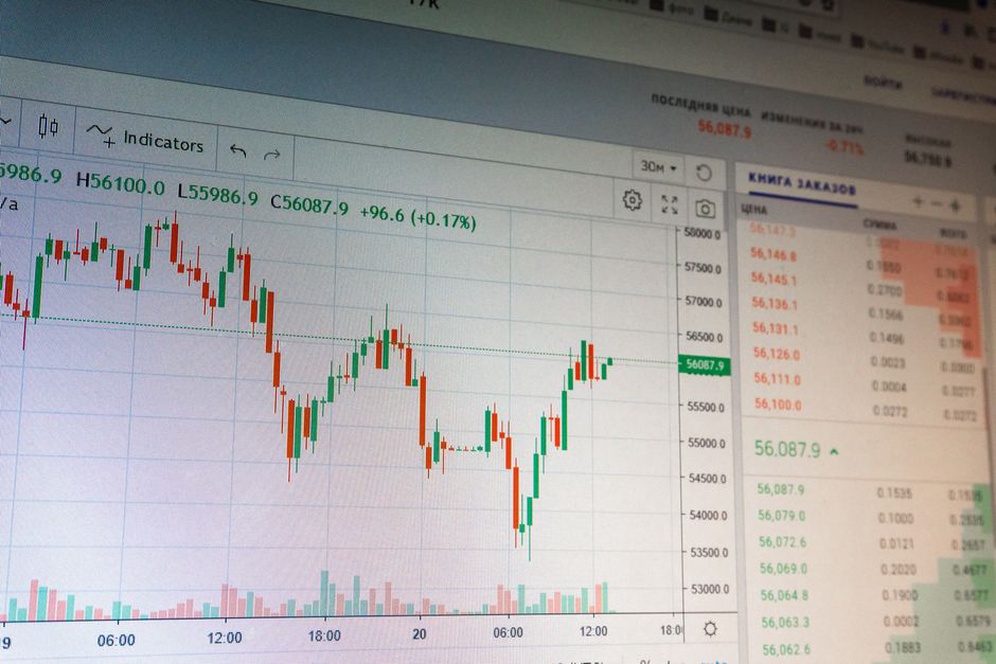
When you place a buy order for Bitcoin on a typical exchange, your request enters an order book — a live list of all outstanding buy and sell orders sorted by price. The exchange’s matching engine pairs your order with the best available counter-order, executes the trade, and updates both parties’ balances. This all happens in milliseconds. If you're a developer building trading bots or auditing exchange security, you need to know exactly how order books and matching engines work — that's where vulnerabilities often hide.
Centralized vs. Decentralized Exchanges
Centralized exchanges (CEXs) like Coinbase, Binance, and Kraken act as intermediaries. They hold your funds in their wallets, manage the order book, and handle fiat on-ramps. For beginners, CEXs offer convenience, high liquidity, and customer support. The trade-off is trust: you rely on the exchange to secure your assets against hacks and internal mismanagement.
Decentralized exchanges (DEXs) such as Uniswap or PancakeSwap operate without a central custodian. Trades happen directly between wallets via smart contracts. You retain full control of your private keys, but you also bear the responsibility for transaction fees, slippage, and smart contract risks. For a developer learning about blockchain security, experimenting with a DEX on a testnet is a valuable exercise — but for everyday trading, most newcomers start with a reputable CEX.
Custodial vs. Non-Custodial: What It Means for Your Keys
In a custodial exchange, the platform generates and stores your private keys. You access your funds through a username and password. If the exchange gets hacked or goes bankrupt, your coins could be lost. Non-custodial exchanges (or DEXs) never hold your keys — you sign transactions from your own wallet. The phrase “not your keys, not your coins” captures the security philosophy behind non-custodial solutions. As a developer, you should understand the cryptographic difference: a custodial exchange holds the private key associated with the on-chain address; you only hold an IOU in their database.
Choosing an Exchange: What to Check Before Signing Up
- Security track record — Look up whether the exchange has been breached before and how it responded. Major exchanges publish proof of reserves and security audits.
- Two-factor authentication (2FA) — The exchange should support TOTP-based 2FA (Google Authenticator or Authy) and ideally hardware security keys (FIDO2). Avoid SMS-only 2FA.
- Withdrawal whitelists — The ability to restrict withdrawals to a pre-approved list of addresses is a critical defense against account takeover.
- Cold storage policy — Reputable exchanges store the majority of user funds in offline cold wallets. Ask whether the platform insures hot wallet balances.
- Regulatory compliance — Exchanges registered in jurisdictions with strong financial oversight (e.g., New York BitLicense, UK FCA, Japan FSA) are generally more accountable.
For long-term storage, many developers turn to hardware wallets — we covered the best options in our guide to Bitcoin hardware wallets. Even if you trade actively, consider moving profits to a hardware wallet rather than leaving everything on the exchange.
Common Security Pitfalls for Beginners
Phishing attacks are the most frequent threat. Scammers create fake exchange websites that look identical to the real one. Always double-check the URL in your browser’s address bar and bookmark the legitimate site. Never click a link from an email or social media message that claims to be from your exchange — instead, navigate directly.
API key leaks are another major risk. Many developers use exchange APIs to automate trading or pull market data. If your API key is exposed — for example, accidentally committed to a public GitHub repository — an attacker can use it to drain your funds. Always restrict API keys to “read-only” unless you absolutely need trading permissions, and never share your secret key.
SIM swapping attacks target phone-based 2FA. If your mobile carrier can be tricked into porting your number to a scammer’s SIM, they can bypass SMS 2FA and reset your password. Using a TOTP app or hardware security key eliminates this vector.

Understanding Exchange APIs as a Developer
If you plan to build tools that interact with exchanges, start with their public REST and WebSocket APIs. Most exchanges offer a sandbox or test environment where you can practice without risking real funds. Pay attention to rate limits — sending too many requests can get your IP banned. Always authenticate requests using API keys with the minimum necessary permissions. For security-sensitive operations like withdrawals, require manual approval via the exchange’s web interface rather than automating them.
When handling API credentials in your code, store them in environment variables or a secrets manager — never hardcode them. Use HTTPS exclusively and verify SSL certificates. If you are scraping market data, respect the exchange’s terms of service and robots.txt file.
Regulatory Considerations and KYC
Most centralized exchanges require Know Your Customer (KYC) verification before you can deposit fiat currency or trade above certain limits. From a security perspective, KYC helps reduce fraud and money laundering, but it also means the exchange holds your personal data. Choose an exchange with a clear privacy policy and a history of protecting user information. If you value anonymity, you may prefer a DEX or a peer-to-peer platform that does not require identity verification — but be aware that such platforms often have lower liquidity and higher risks of encountering malicious counterparties.
One Concrete Step to Start Safely
Before depositing a large amount, send a small test transaction — the equivalent of $5–10 — to your exchange deposit address. Confirm that the funds arrive in your account and that you can withdraw them back to your wallet without unexpected fees or delays. This simple check verifies that the address is correct, the network is functioning, and the exchange’s withdrawal process works as expected. Once you have confirmed the round trip, you can proceed with confidence.