
In the third quarter of 2024, Xiaomi shipped roughly 42 million smartphones, placing it behind Apple, Samsung, and Transsion in global market share, according to IDC figures. That ranking is a slight drop from its third-place position in 2021, but the company still holds a commanding lead over rivals like Oppo and Vivo. For developers and cybersecurity learners, Xiaomi’s trajectory offers more than just a market share story — it reveals how a company that started as a custom Android ROM (MIUI) evolved into a hardware giant, and how its software decisions affect millions of users worldwide.
Xiaomi’s rise is built on three pillars: aggressive pricing, an ecosystem of smart home products, and a direct-to-consumer sales model that cuts out retail margins. The company’s flagship Mi and Redmi series often pack high-end components — Snapdragon 8 series chips, high-refresh-rate OLED displays, and large batteries — at prices 30–50% lower than equivalent Samsung or Apple devices. This strategy has been especially successful in India, Southeast Asia, and parts of Europe, where price sensitivity is high.
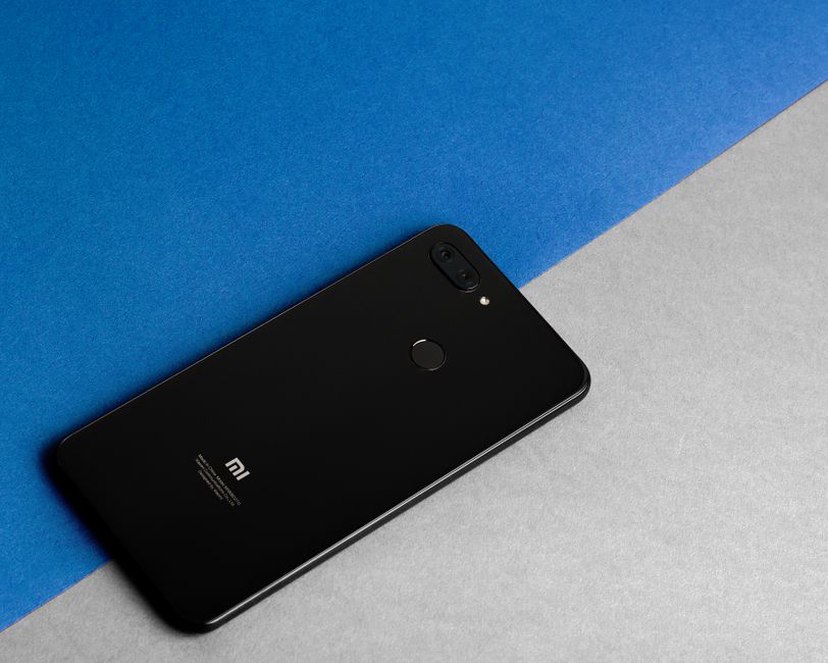
How Xiaomi Became a Top-Four Player
Founded in 2010 by Lei Jun, Xiaomi initially released MIUI, a custom Android firmware that quickly gained a cult following among enthusiasts who wanted more features and frequent updates than stock Android offered. The company launched its first phone, the Mi 1, in 2011, and sold over 300,000 units in a few hours through flash sales. By 2014, Xiaomi was the largest smartphone vendor in China, and by 2021 it briefly surpassed Apple to become the second-largest global vendor.
The key turning point was Xiaomi’s expansion beyond China. It entered India in 2014 and became the top smartphone brand there within three years, thanks to the Redmi series. In Europe, the company gained traction by offering high-spec devices at mid-range prices, often undercutting local brands. Xiaomi also built an ecosystem — smart bands, air purifiers, electric scooters, and even TVs — to create brand stickiness. The Mi Home app, which controls all these devices, became a data collection hub, raising privacy questions that developers and security researchers continue to examine.
The Developer Perspective: MIUI, Bootloaders, and Security
For developers, Xiaomi phones are interesting test devices because they run a heavily customized Android skin. MIUI includes features like dual apps, second space, and system-level ad blocking, but it also ships with pre-installed bloatware and aggressive battery optimization that can kill background processes. This makes Xiaomi devices a good sandbox for learning about Android permission models and app lifecycle management.
Security-conscious developers should note that Xiaomi allows bootloader unlocking — a rare feature among major manufacturers. Unlocking the bootloader lets you flash custom ROMs like LineageOS or GrapheneOS, which can remove Google services and reduce telemetry. However, the process requires a Mi Account, a waiting period, and Xiaomi’s permission, which it can revoke. Xiaomi also runs a bug bounty program through HackerOne, paying researchers for finding vulnerabilities in MIUI and its cloud services.
On the flip side, Xiaomi has faced criticism for sending usage data to servers in China, even from devices sold in Europe. In 2022, a security researcher found that the Mi Browser sent browsing history to a Chinese domain without encryption. Xiaomi later patched the issue, but the incident highlights why developers working on privacy-focused apps should test on real Xiaomi hardware. Understanding how MIUI handles permissions, background services, and network requests is a practical exercise in mobile security analysis — entirely legal when done on your own devices in a controlled lab environment.
Competitive Landscape: Why Xiaomi Isn’t Growing Faster
Despite its strengths, Xiaomi faces several headwinds. In the premium segment (above $600), Apple and Samsung dominate with better brand perception, longer software update policies, and tighter integration with their respective ecosystems. Xiaomi’s attempt to push the Mi 14 Ultra as a camera flagship has gained some traction, but it still lags behind the iPhone 15 Pro Max and Galaxy S24 Ultra in sales.
Another challenge is the rise of Transsion Holdings, which owns Tecno, Infinix, and Itel. Transsion has aggressively captured low-end markets in Africa, the Middle East, and parts of Asia, often undercutting Xiaomi’s Redmi series. In Q3 2024, Transsion shipped about 26 million units, pushing Xiaomi to fourth place. Meanwhile, Oppo and Vivo have strengthened their positions in China through offline retail channels, which Xiaomi has historically avoided.
What This Means for Developers and Security Learners
Xiaomi’s market position matters to the tech community for several reasons. First, the company’s reliance on Android means that vulnerabilities in the Android Open Source Project (AOSP) affect millions of Xiaomi users. Developers who contribute to AOSP or write security tools should consider testing patches on MIUI builds, as Xiaomi often delays updates for older devices. Second, Xiaomi’s smart home ecosystem — with over 200 million connected IoT devices — creates a large attack surface. Researchers have found flaws in the Mi Home protocol that could allow remote control of smart plugs and cameras. Studying these vulnerabilities in a lab environment (e.g., using a test Xiaomi account and isolated network) teaches practical IoT security skills.
Finally, Xiaomi’s approach to data collection and advertising is a case study in digital hygiene. The company injects ads into system apps like File Manager and Music on its low-end Redmi devices — a practice that annoys users and can expose them to malvertising if the ad network is compromised. Developers building ad-blocking or privacy tools can use Xiaomi devices as test targets to understand how system-level ad injection works and how to detect it safely.
Practical Tip: Setting Up a Xiaomi Device for Security Testing
If you want to analyze Xiaomi’s software behavior without risking your primary phone, buy a used Redmi Note 10 or 11 (available for under $100). Unlock the bootloader via the official Mi Unlock tool (requires waiting 7–30 days). Flash a custom recovery like TWRP, then install a firewall app like NetGuard or use iptables via ADB to monitor outbound connections. Compare the network traffic of stock MIUI versus a de-Googled custom ROM. Document the differences in data sent to Xiaomi servers — this is a legitimate, educational exercise in network forensics that aligns with responsible disclosure practices.
Xiaomi’s journey from a software startup to the fourth-largest smartphone maker shows how aggressive pricing, ecosystem thinking, and direct sales can disrupt a market. For developers and security learners, the company’s products offer a real-world platform to study Android customization, IoT security, and data privacy — all within legal, ethical boundaries. A good starting point is picking up a used Redmi device and running a simple traffic capture: you’ll likely spot MIUI phoning home to multiple Xiaomi domains within minutes.