
Programming in C++ is a powerful tool for creating applications that need high performance and reliability. However, this strength comes with the challenge of ensuring security, as C++ can be susceptible to vulnerabilities due to its complexity and the flexibility it offers developers. Mastering secure coding practices in C++ is essential to reduce risks and develop secure software.
Understanding Common Vulnerabilities
Over its long history, C++ has been associated with various vulnerabilities. Identifying these issues is the first step in writing secure code.
- Buffer Overflow: This happens when a program writes data outside the boundaries of fixed-length buffers, leading to unpredictable behavior and potential system breaches. Always perform bounds checking when working with arrays or buffers.
- Use-After-Free: Occurs when a program accesses memory after it has been freed, which can result in arbitrary code execution or crashes. Utilize smart pointers and practice proper memory management to avoid this vulnerability.
- Integer Overflow: This issue arises when an arithmetic operation generates a numeric value beyond the representable range. Implement checks to ensure operations do not exceed their limits.
Implementing Secure Coding Practices
Developers can minimize vulnerabilities by adopting secure coding practices. Here are some effective strategies:
1. Utilize Modern C++ Features
Modern C++ standards, starting from C++11, provide features that improve security. For example, std::unique_ptr and std::shared_ptr introduced in C++11 help manage memory more efficiently, reducing risks associated with manual memory handling.
2. Input Validation
Ensure all inputs meet expected formats and ranges. This involves checking the length and type of data to prevent injection attacks and buffer overflows. Input validation is a fundamental aspect of secure coding that should always be prioritized.
3. Use Compiler Warnings and Static Analysis Tools
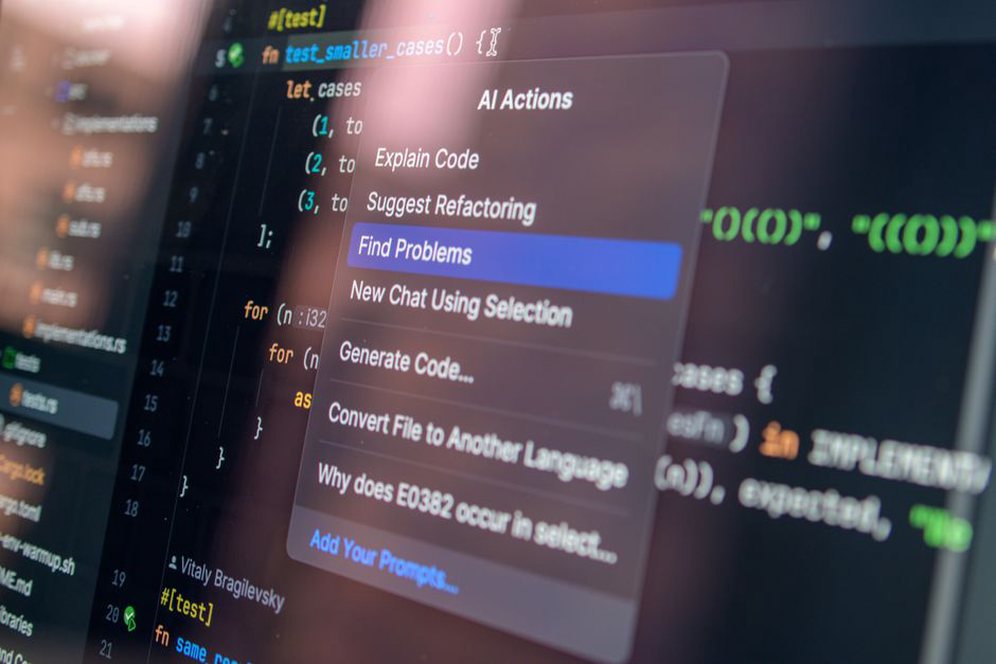
Configuring compilers with appropriate warnings can help identify security issues early in the development process. Static analysis tools further examine code for patterns that may lead to vulnerabilities.
4. Minimize the Use of Unsafe Functions
Functions such as strcpy, sprintf, and gets are known for being insecure. Opt for safer alternatives like strncpy, snprintf, and fgets to maintain control over buffer sizes and prevent overflows.
5. Carefully Manage Memory
Memory management is crucial in C++ programming. Always initialize variables before use and ensure that allocated memory is properly deallocated to prevent memory leaks, which can lead to performance issues and vulnerabilities.
For developers focused on Windows systems, balancing performance with security is essential. For advice on improving Windows performance, check out our article on how to fix Windows 10 slow performance and boost speed.
Testing and Reviewing Code
Testing is a vital part of development, especially when security is a concern. Regular automated tests can ensure code reliability and security. Code reviews are also crucial for identifying potential vulnerabilities and bugs.
- Unit Testing: Develop unit tests for individual code components to verify their functionality and handle edge cases effectively.
- Code Reviews: Conduct peer reviews for additional scrutiny, as a fresh perspective can reveal issues that the original developer might overlook.

Conclusion
Writing secure C++ code demands attention to detail and adherence to best practices. By addressing common vulnerabilities, leveraging modern C++ features, and maintaining rigorous testing and review processes, developers can build secure and reliable software. Security in C++ programming is an ongoing commitment that evolves with each line of code written.


